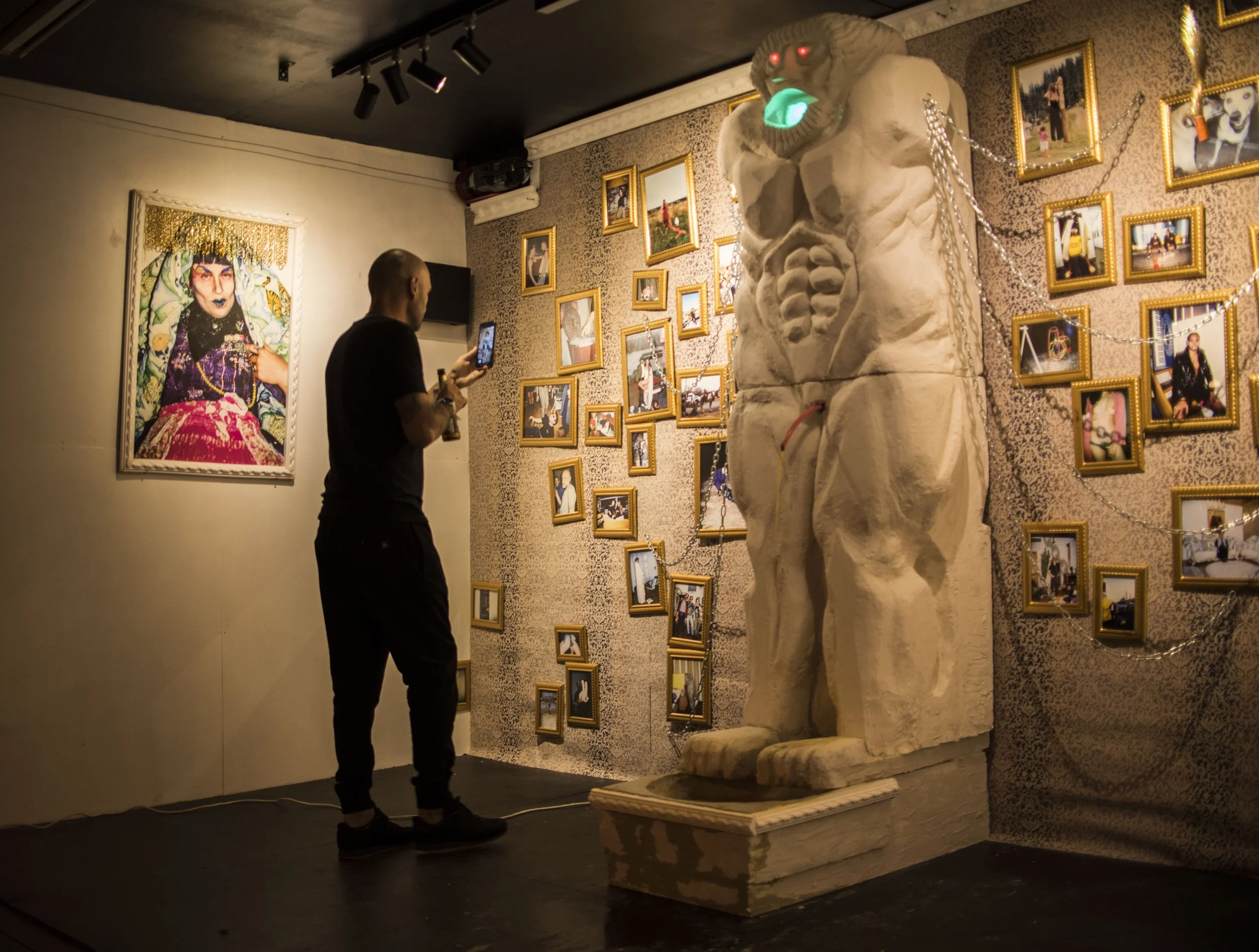
4alga Punk
*
4alga Punk *
4alga Punk
Lexi Fleurs & Mitch Brezounek
This project is part of FLUCA 2021 program
Curated by Valko Chobanov
FLUCA – Austrian Cultural Pavilion is a long-term cultural project – an initiative of the Open Arts Foundation,the Austrian Embassy in Sofia, supported by the Austrian Federal Chancellery and the Municipality of Plovdiv.
In 2021 FLUCA is supported by the National Culture Fund – Annual Program for Support of Professional Organisations in the Field of Arts.
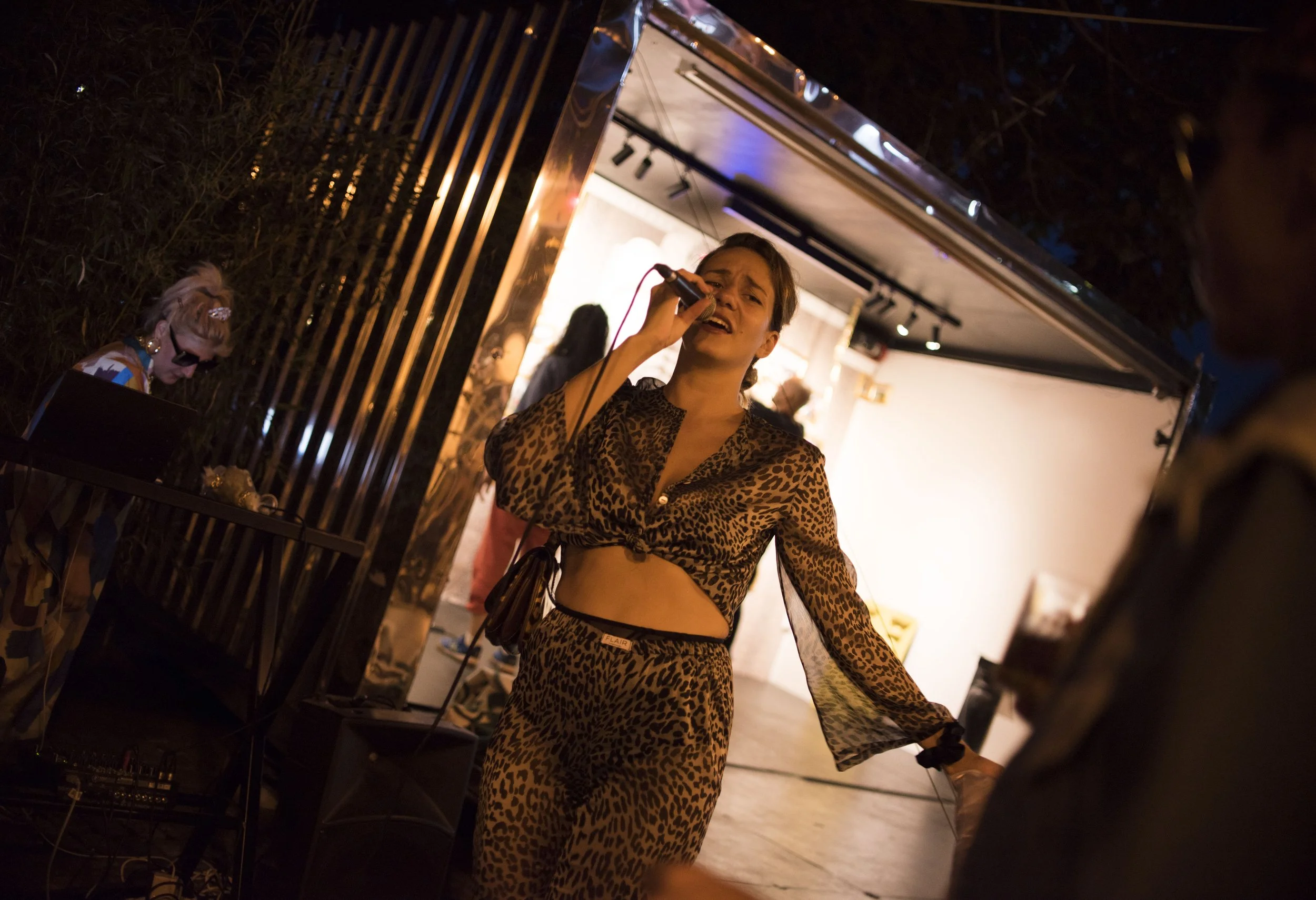
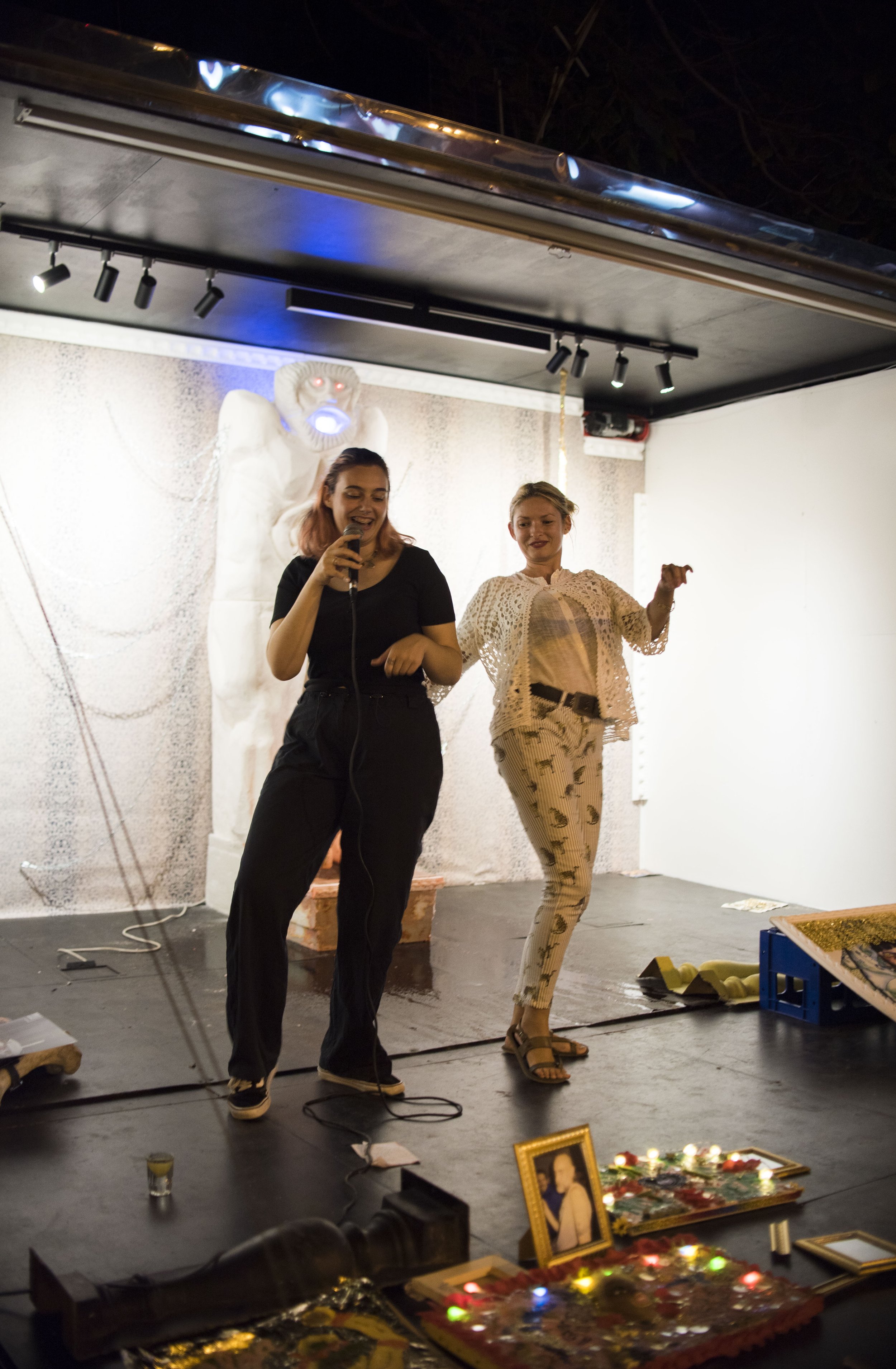
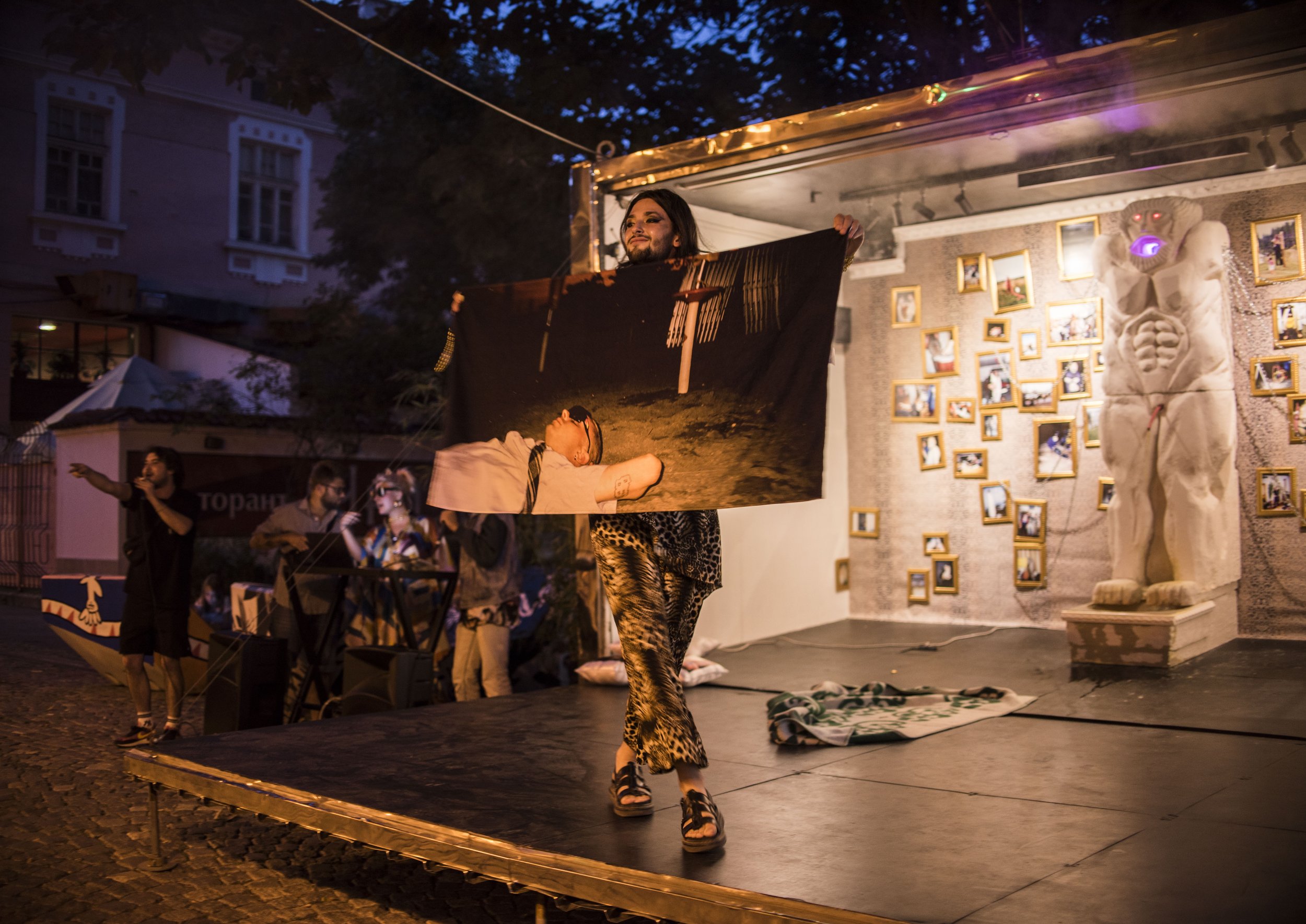
for this project, Lexi Fleurs created a music album to accompany the performances at the exhibition
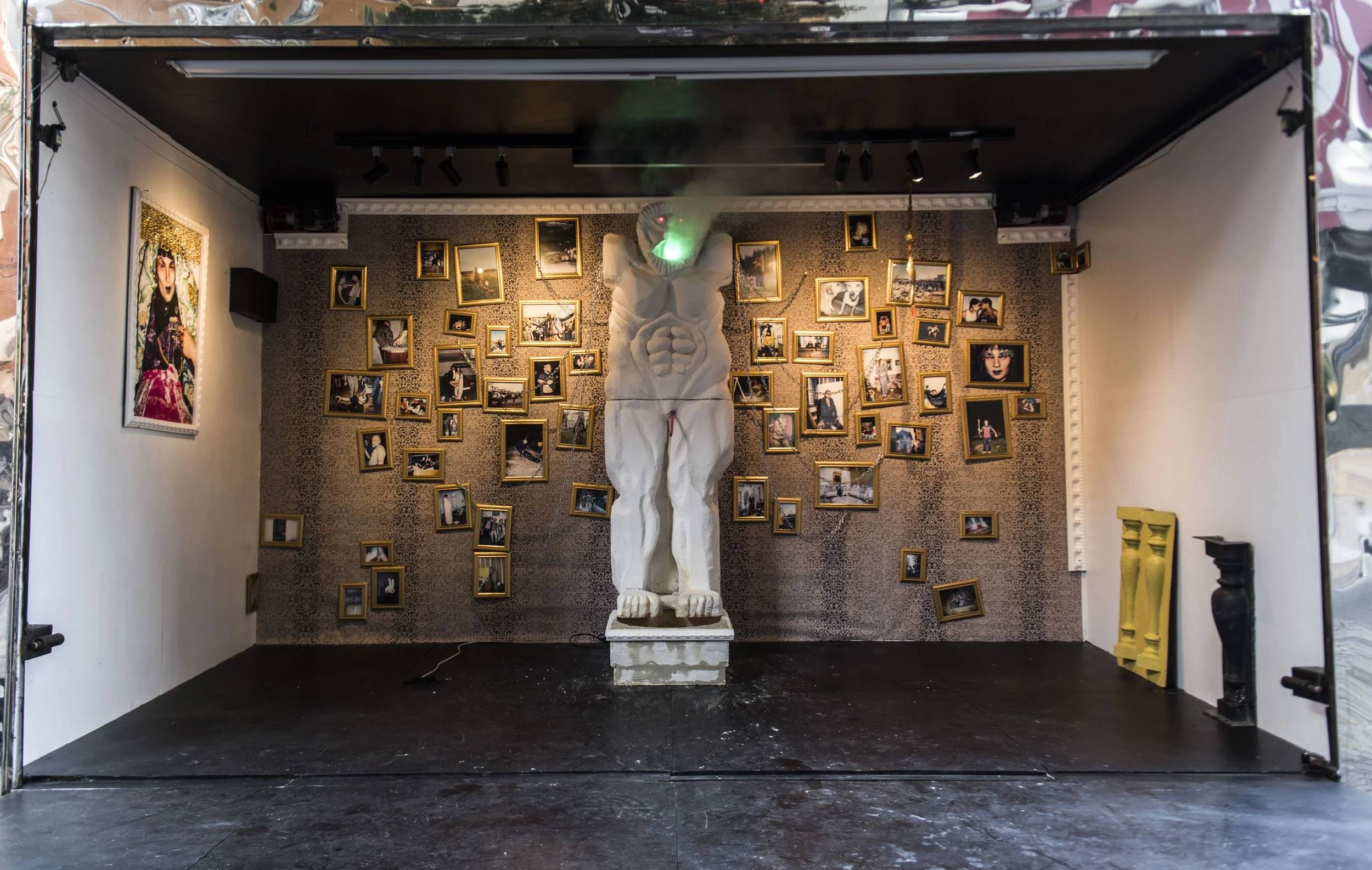
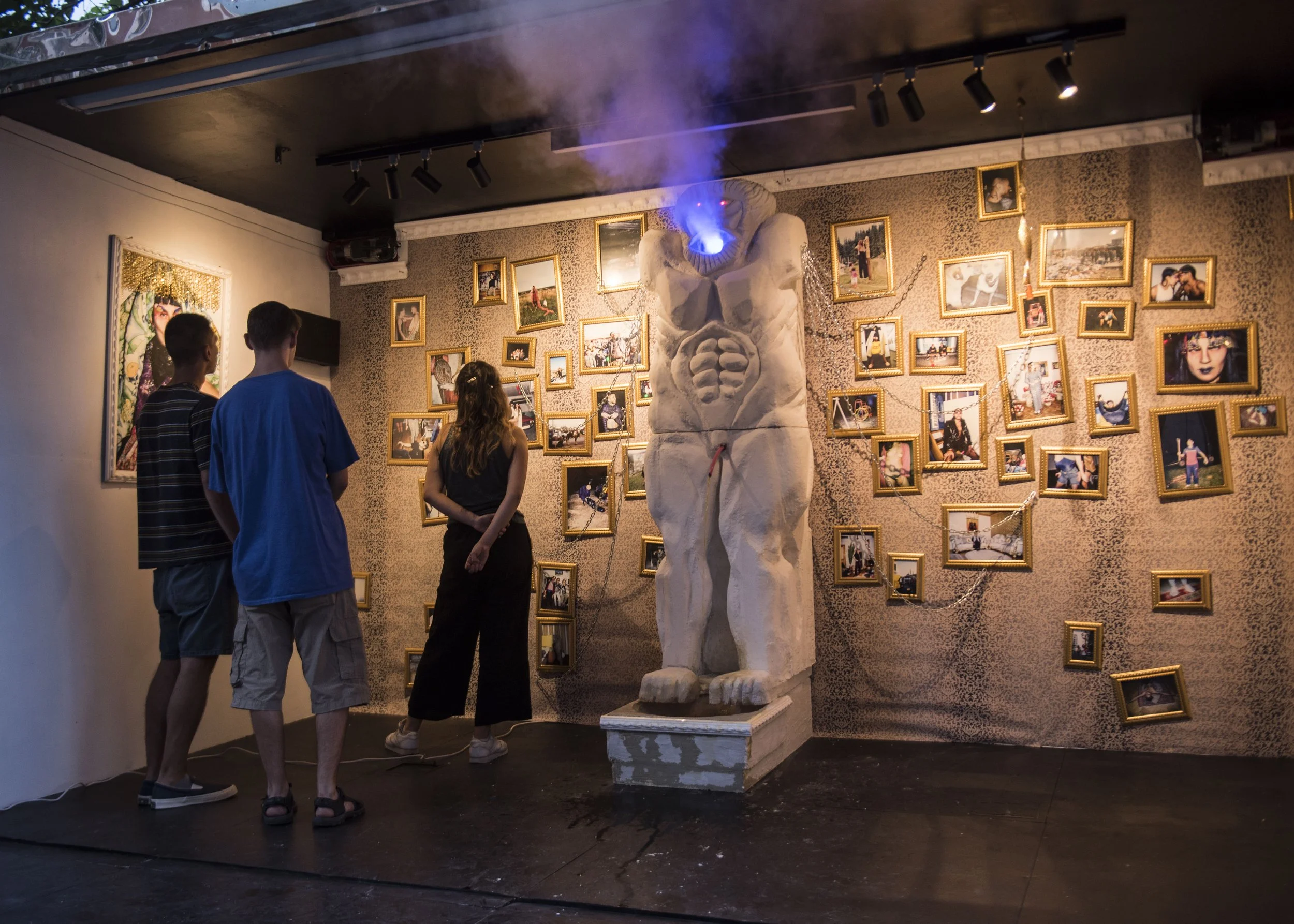
4alga Punk takes as its subject the trash culture produced by the collapse of communism in Bulgaria — and treats it not as an embarrassment to be historicised at a safe distance, but as the logical outcome of what happens to a society when high culture has been administered, rationed, and enforced from above for four decades. When that apparatus fell away, what filled the vacuum was not a restored classical canon but chalga: turbofolk's Bulgarian variant, a hybrid of Oriental melodic structures, cheap synthesis, gold, silicone, and unembarrassed appetite. The exhibition proposes that this was not a failure of taste but a form of cultural revenge.
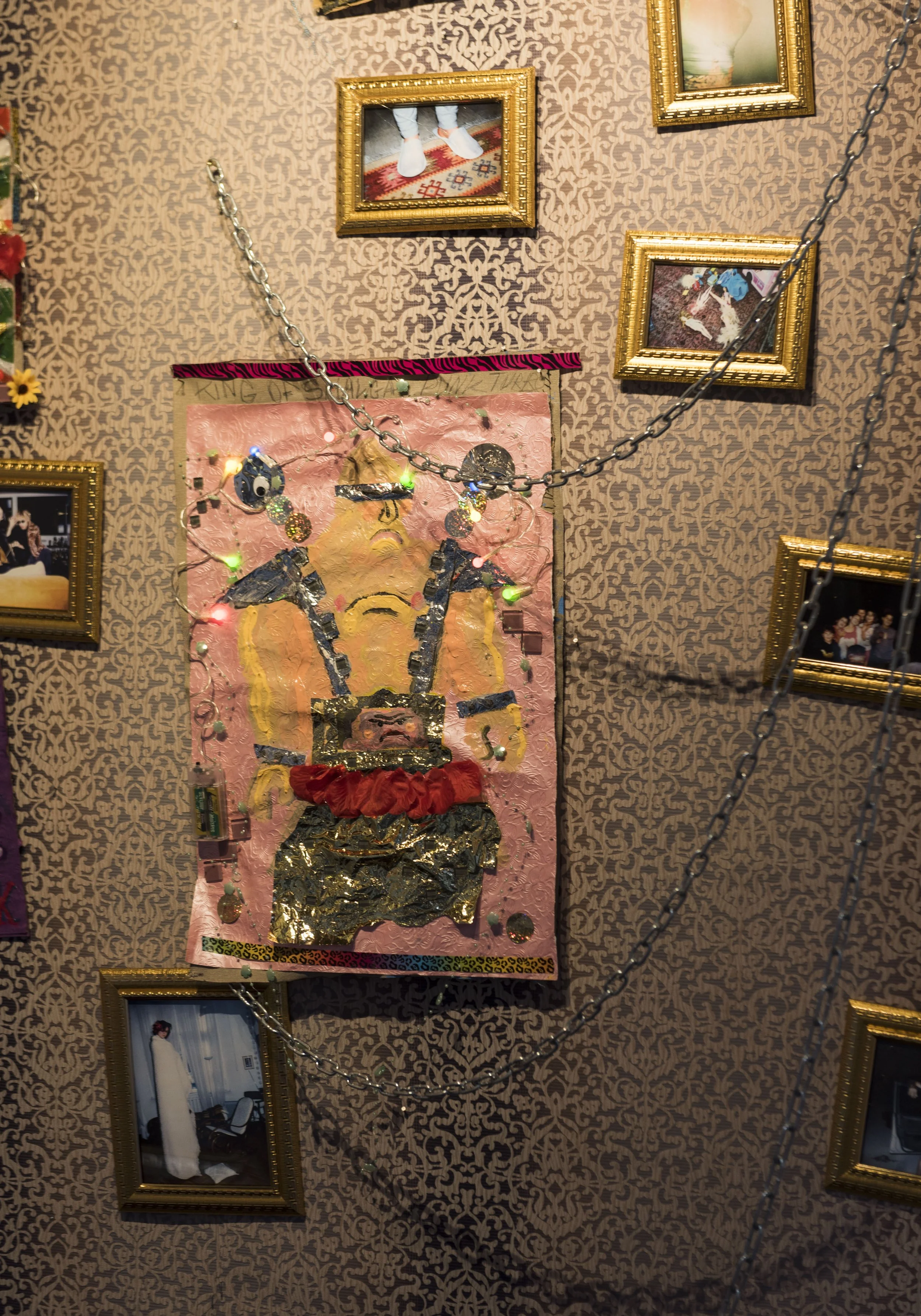
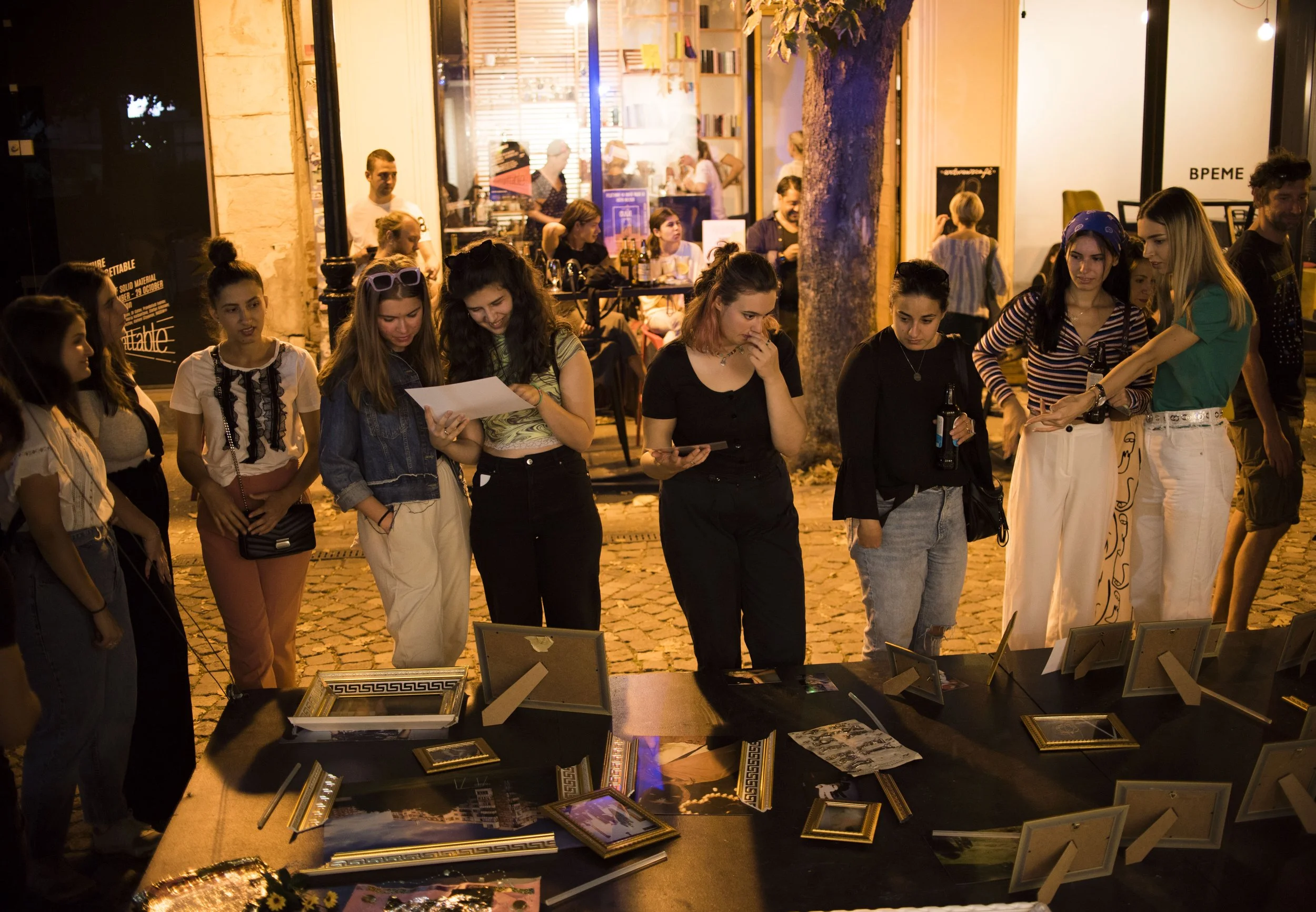
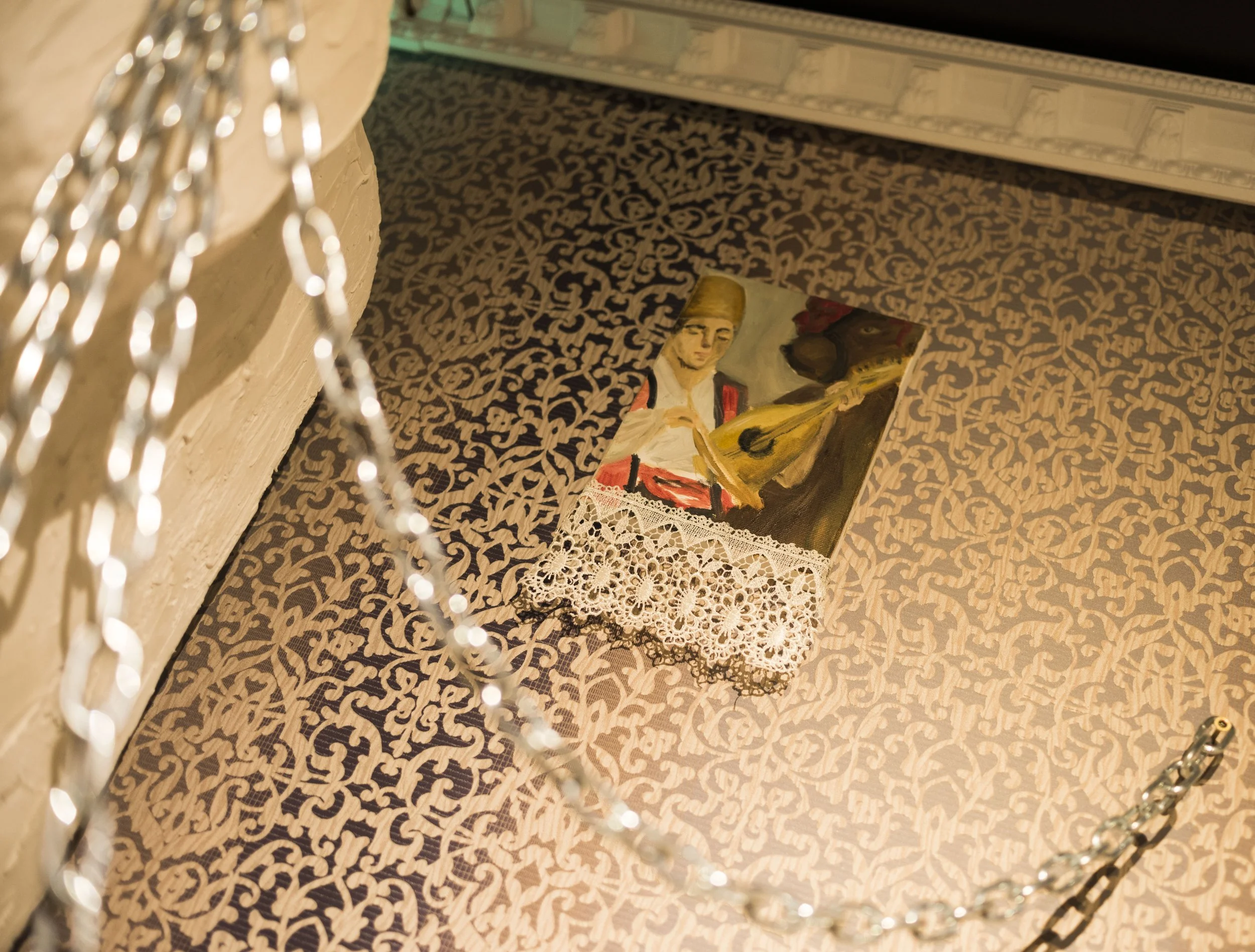
Working across photography, installation, and video, Fleurs and Brezounek stage a humorous yet rigorous reenactment of that aftermath. Chalga aesthetics here function as method rather than motif: the artists adopt its visual grammar — the parodic gold frame, the saturated backdrop, the alter ego, the performance of excess — to examine how a genre dismissed as kitsch became the region's most durable and honest self-portrait. Turbofolk's reach extends well beyond Bulgaria, structuring vernacular culture from Belgrade to Bucharest to Skopje, and the project reads it as a genuinely pan-Balkan phenomenon: a shared post-socialist language that formed faster, and travelled further, than any of the official cultural programmes that succeeded communism.
The two artists arrive at this material from opposing positions — one an emigrant, one an immigrant — and the exhibition sustains that asymmetry rather than resolving it. Fleurs photographs with an analog camera, constructing invented personae for herself and her subjects that hold documentary evidence and self-fiction in a single frame. Brezounek works through a mockumentary register that uses the foreigner's estrangement as an instrument, and repeatedly lands somewhere more Bulgarian than the local. Neither position claims authority over the material; each undermines the other's claim to authenticity.
What emerges is an installation that refuses to condescend to its subject. 4alga Punk argues that the punk in chalga was always there — in its vulgarity, its refusal of imposed taste, its insistence on pleasure in a landscape that had legislated against it — and that reading the region's trash culture seriously is the only way to read the region at all.